February 2026 Newsletter
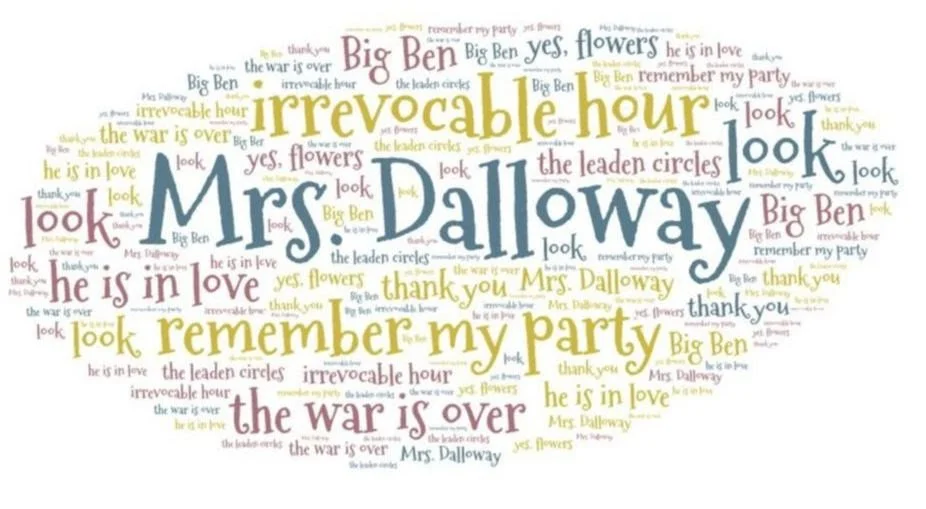

To register for BBF Weekend Events April 10 and 11 at Colt School Auditorium, Rogers Free Library and Linden Place Ballroom, visit Events Page.
We look forward to seeing you!
Then suddenly, like a chasm in a smooth road, the war came.
—Virginia Woolf, “The Leaning Tower”
Woolf’s life and art were greatly impacted by The Great War. In her essay delivered as a speech in 1940, she speaks of life before the war and at its onset:
“If we want to risk a theory, then, we can say that peace and prosperity were influences that gave the nineteenth-century writers a family likeness. They had leisure; they had security; life was not going to change; they themselves were not going to change. They could look; and look away. They could forget; and then — in their books — remember … they lasted, roughly speaking, till the year 1914 … [they said] ‘We were not much interested in politics. Abstract speculation was much more absorbing; philosophy was more interesting to us than public causes … What we chiefly discussed were those ‘goods’ which were ends in themselves … the search for truth, aesthetic emotions, and personal relations … It seemed to them that they were to go on living like that, and writing like that, for ever and ever. Then suddenly, like a chasm in a smooth road, the war came.”
This chasm and its accompanying shock and impact are understood to have galvanized Modernism.
Indeed, we cannot fully talk about “Mrs. Dalloway” and its literary explorations and accomplishments without adequate attention to Septimus Warren Smith, the young war veteran, and the seemingly constant presence of the war, even if, as Clarissa says repeatedly, “The war is over.”
In this newsletter, we feature programs that specifically ground us in Woolf’s time and the impact of The Great War, including a performance by Aurea Ensemble rooted in the music and poetry of the era. We are fortunate for these opportunities to open up our exploration of “Mrs. Dalloway” and expand our reading and conversations through this central line in the book.

Aurea Ensemble’s “Anthem”
Sunday, March 15, 4 p.m. in St. Michael’s Church, Bristol, Aurea Ensemble presents “Anthem”: a remembrance of the onset of The Great War inspired by Wilfred Owen’s iconic poem “Anthem for Doomed Youth.” The ensemble weaves music, poems, diary entries, and letters from the era, tracing the emotional and philosophical response from soldiers, poets and composers, including Debussy, Hindemith, Ives, Stravinsky, Elgar, Britten, Milhaud and Ravel. Tickets are $30 and registration is required.
Online Lecture
With bombs and guns and shovels and battle-gear,
Men jostle and climb to meet the bristling fire.
Lines of grey, muttering faces, masked with fear,
They leave their trenches, going over the top,
While time ticks blank and busy on their wrists
—Siegfried Sassoon, “Attack”
Sunday, March 1, 4:30 to 6 p.m., online
Dr. Mark Schenker, a (retired) dean at Yale College, will present the lecture “WWI British Poets and the Creation of Modernism.” This lecture will derive from selected poems by remarkable soldier-poets, including Wilfred Owen, Siegfried Sassoon, Thomas Edwards and Isaac Rosenberg. The work will be considered within the context of the rise of literary Modernism and with connections to other modernists, with special attention to Virginia Woolf and “Mrs. Dalloway.”
Sassoon, a friend of Woolf’s brother, said of Virginia Woolf after dining with her and Leonard, “I found her charming.”
RWU Faculty Lecture
Tuesday, March 10, 6 p.m., Rogers Free Library
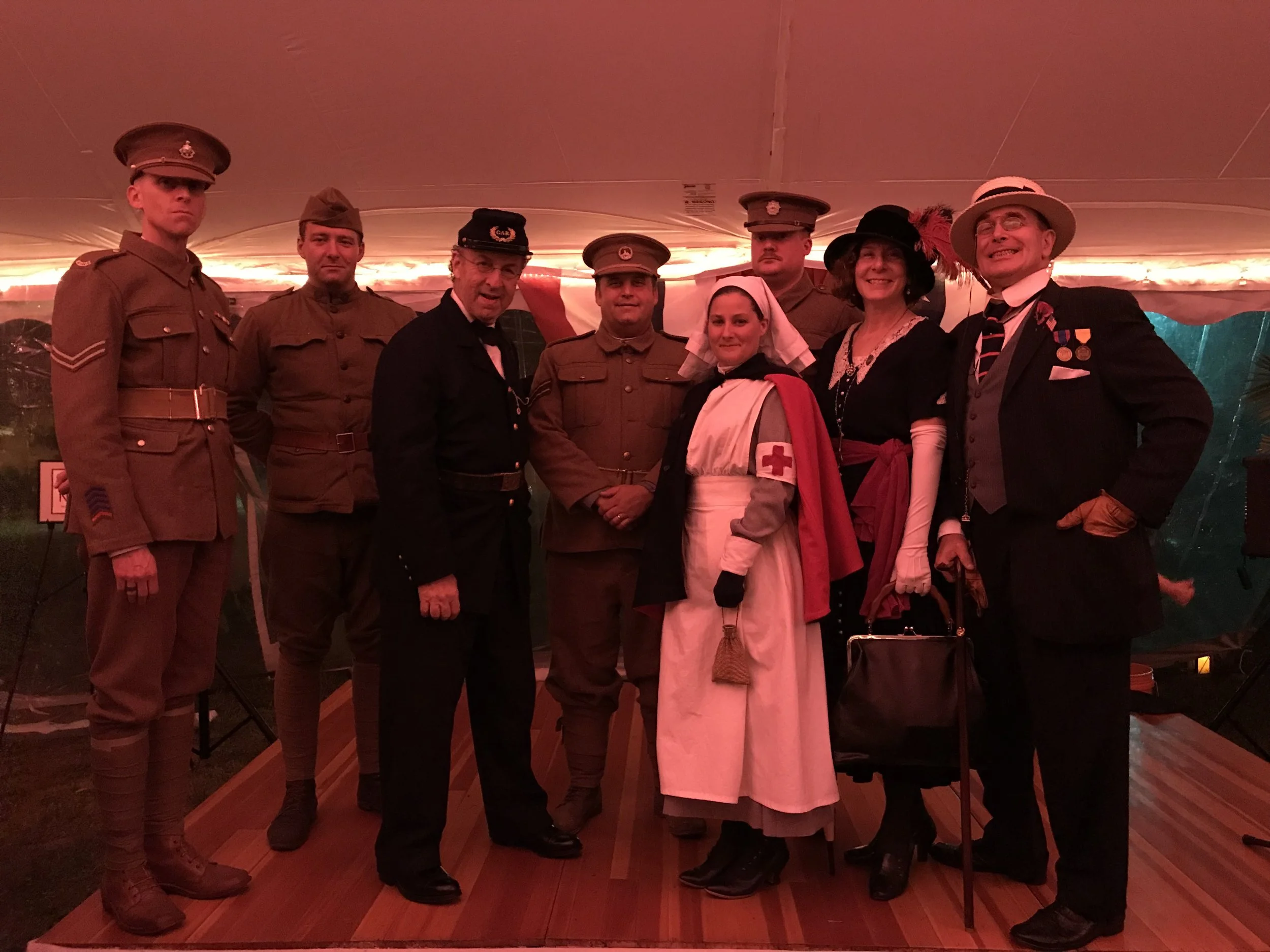
Dr. Jeffrey Meriwether (far left in photo), dean of the School of Humanities, Arts and Education at Roger Williams University, will present “Material Culture/Material Distress.” The lecture will focus on Clarissa Dalloway’s counterpoint in the novel, the young war veteran Septimus Warren Smith.


Film Screenings at Rogers Free Library
Saturday, February 28, 2 p.m. “Mrs. Dalloway,” with Vanessa Redgrave, 1997
Thursday, March 5, 5:30 p.m. “The Hours,” with Meryl Streep, Julianne Moore, Nicole Kidman, 2002; followed by discussion led by Katie Reaves.